
Mobile Passport Control Booths for Reykjavík Cruise Terminal
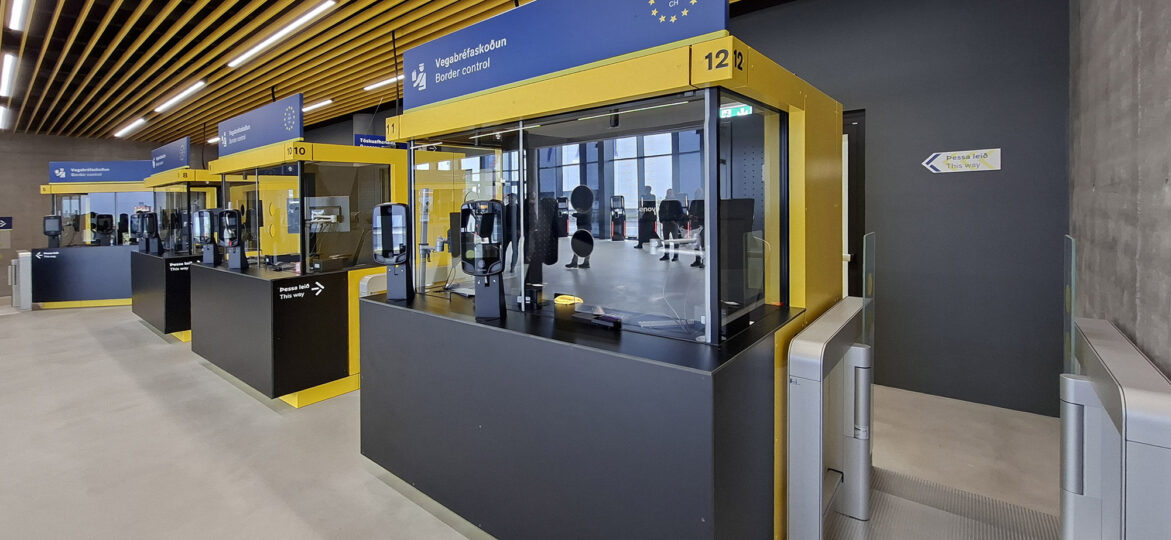
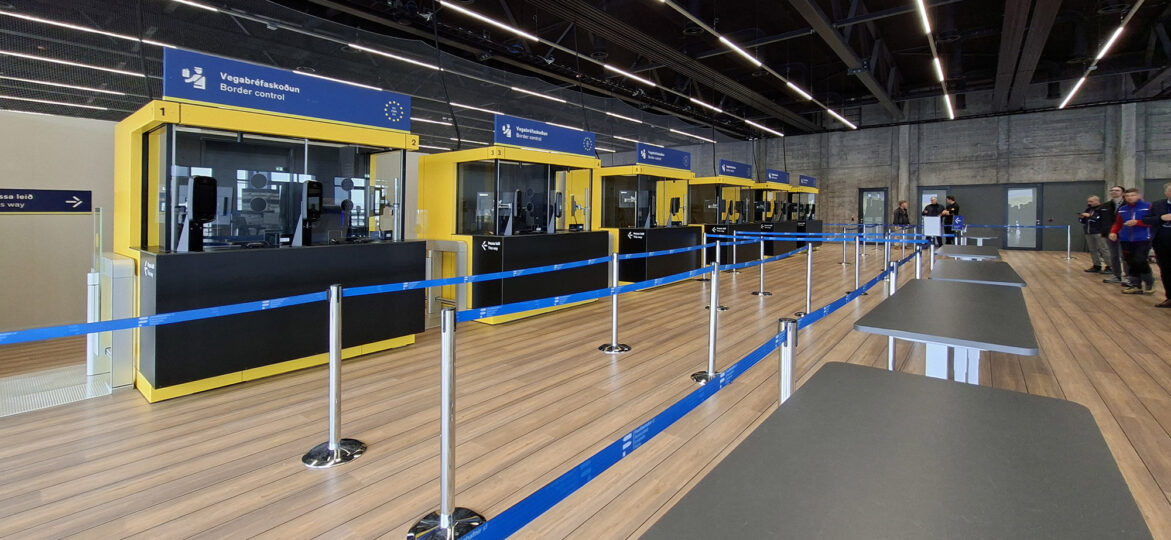
Thirteen mobile booths, five weeks of production and a journey across the North Atlantic. For the new Vör cruise terminal in Reykjavík, Iceland, we manufactured specially designed units for passport control of cruise ship passengers. Their key advantage is mobility, allowing the terminal layout to be flexibly adapted to changing operational requirements.
| Classification: | Special modules | |
|---|---|---|
| Year of implementation: | 2026 | |
| Client: | Stólpi | |
| Country of implementation: | Iceland | |
| Technical Specifications: |
Length of manufacture: 5 weeks Number of modules: 13 Area: 40 m2 |
|
| Sales model: | Sale | |
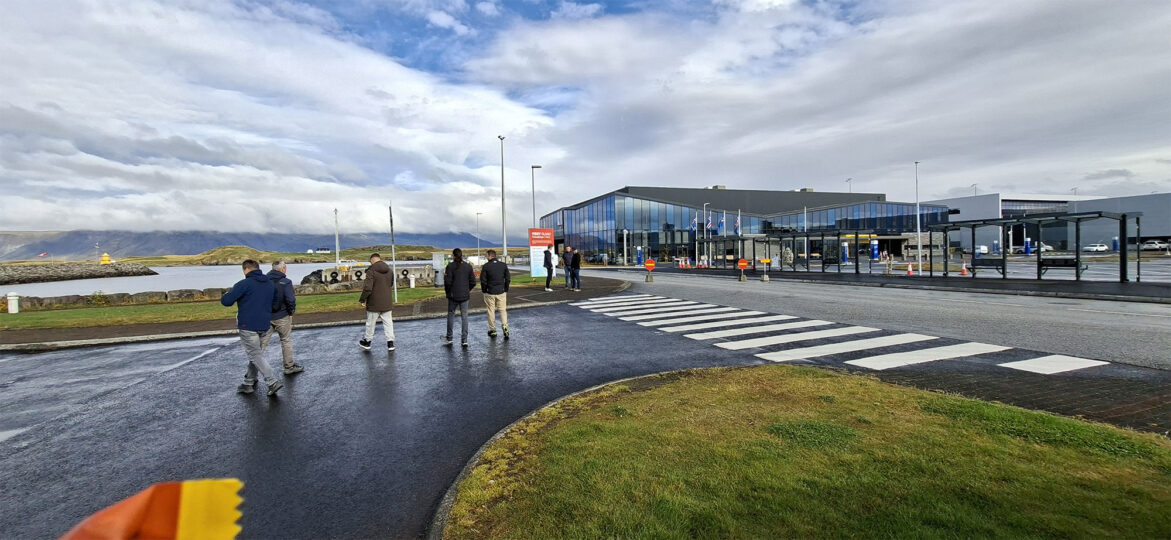
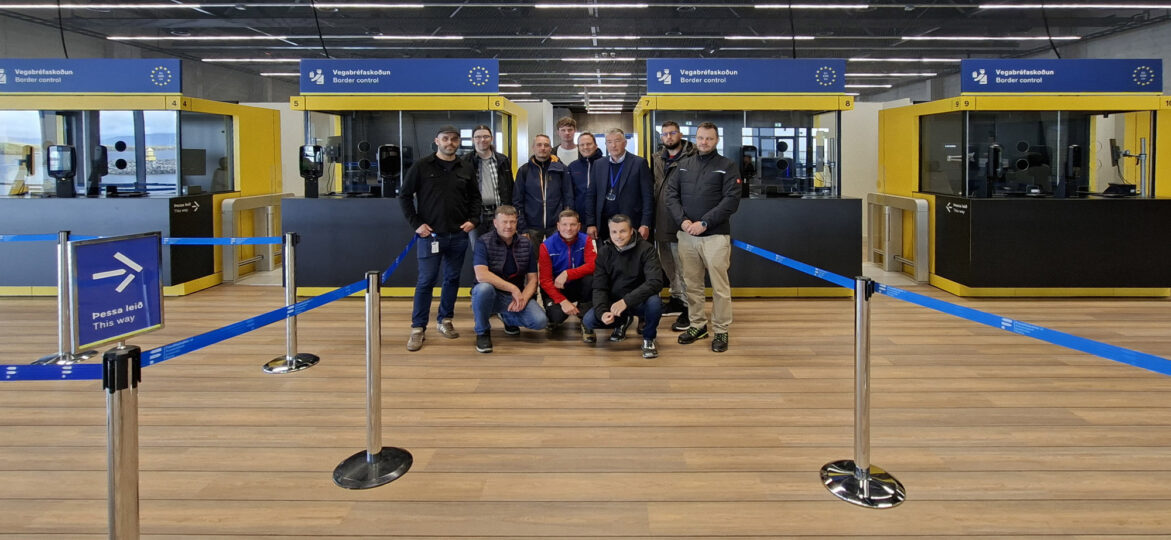
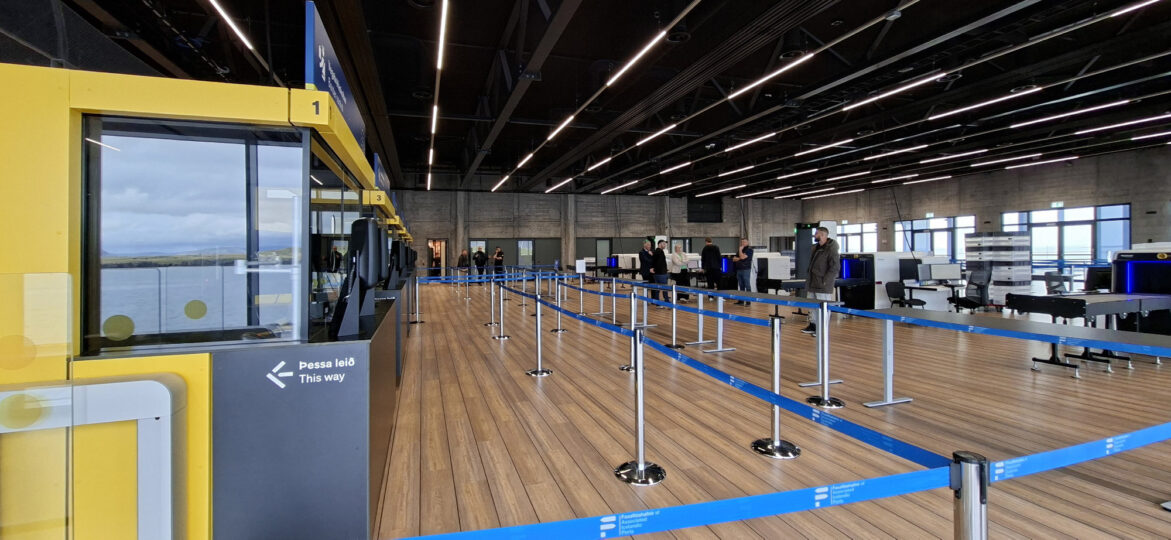
The new Vör cruise terminal at Skarfabakki in Reykjavík opened in 2026 as Iceland's first dedicated cruise passenger terminal. It is also the first new passenger facility built in the Icelandic capital in 60 years. The terminal is equipped with 13 mobile passport control booths manufactured by KOMA MODULAR.
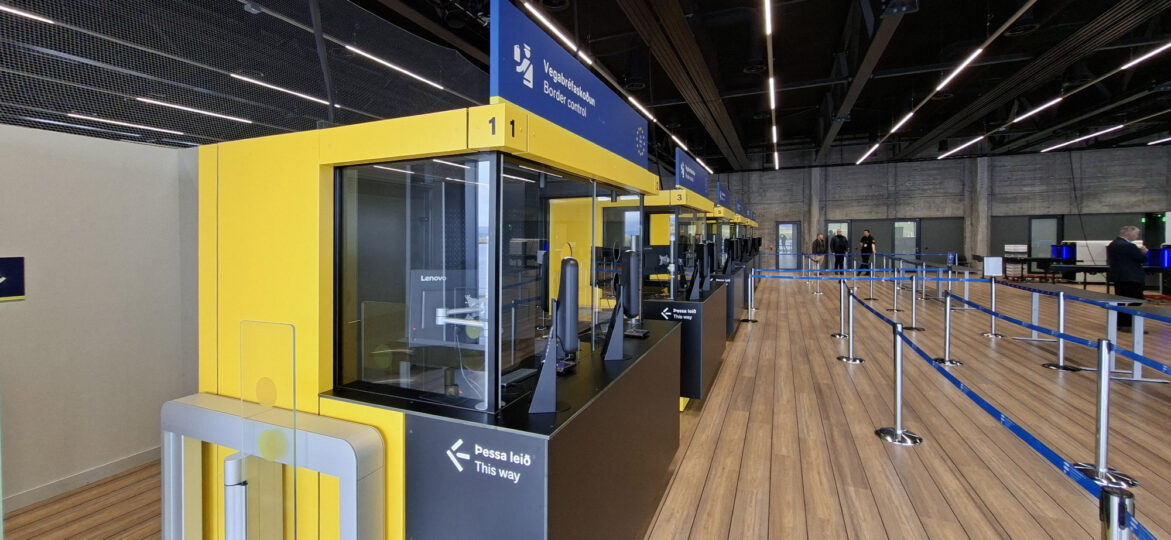
Each booth measures 2.2 × 1.7 metres and provides workspace for two passport control officers. Durable materials were used in their construction, including Alubond composite panels and Fundermax high-pressure laminate panels. All 13 units were completed within five weeks and shipped to Iceland as fully finished units.
The most distinctive feature of the project is the mobility of the individual booths. Although installed inside the terminal, they are not permanently fixed in place. They can be relocated using a forklift, even between different floors. This allows the terminal operator to reconfigure passport control areas according to operational needs and potentially repurpose the booths in the future.
Logistics presented another challenge. The completed units were transported to Reykjavík in shipping containers, where limited space required exceptionally precise loading and careful securing of the cargo for the sea voyage.
The project at Vör cruise terminal demonstrates how the principles of modular construction can also be applied on a smaller scale. Combining durable construction, rapid production and the ability to be relocated as needed, these mobile booths offer a flexible solution for the evolving requirements of transport infrastructure.


